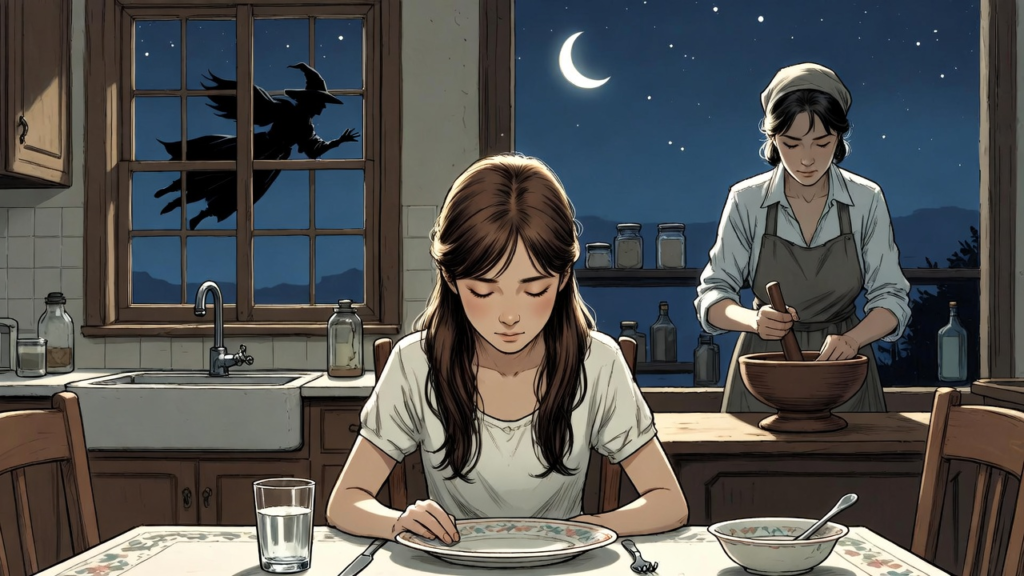
Title: Zikora
Author(s) Name(s): Chimamanda Ngozi Adichie
Published in: October, 2024
Why You Might Like This Book: Read this book if you enjoy
- women’s stories,
- parent-child relationships,
- birthing a baby and motherhood,
- gender and culture,
- dark, satirical humour, and
- feminist fiction.
Who Should Avoid This Book: Avoid this book if you are triggered by or dislike
- breakup or separation or divorce,
- gender inequality,
- patriarchal cultures,
- sexual abuse or marital rape,
- preganancy, child birth, and abortion.
From the first page, you can say that the author has a unique way of expressing pain in humourous ways. When Zikora gives birth to her child in a hospital, she experiences labour pain for the first time. Even though she was mentally prepared for it to be painful, it was nothing like she had imagined; this was evil! But the kinds of ridiculous thoughts that run through Zikora’s head as she struggles with birthing her baby – about the nurse’s eyelashes, flat-screen TVs in hospitals, hospital gowns and ropes – only Chimamanda can come up with such ridiculous humour in times of extreme pain. As a fan of absurdist humour, I’m instantly sold.
Zikora is a Black woman originally from Nigeria, Africa who is now in North America and Kwame was Zikora’s boyfriend and the baby’s father. She had graduated from Georgetown university and he had graduated from Cornell university. Both of them were Black lawyers in the USA. For her, he was attractive and boyfriend-material in all ways, unlike most other Black men in Washington, DC of his age. He was innocent, had nothing to hide, was always attentive and relaxed, and he said “I love you” to her before she could! He had introduced her to his parents, and she was plesantly surprised by their warmth and how well she was received and treated by them, as of one of their own. Compared to her cousin in Nigeria, Mmiliaku and the horrible man Emmanuel she had married and settled for, Zikora felt like she had won a prize.
The story of Mmiliaku tells us how patriarchy in countries like Nigeria could destroy a woman’s life, her self-esteem, and her self-worth, as they would have little to no choice in life, and will finally have to settle for something and someone even if they didn’t want to because the other options would be far worse. Mmiliaku couldn’t have her friends over after getting married to Emmanuel because he did not want that, he had told her to stop working, her father would never allow her to own any property, and Emmanuel would freely engage in what is called marital rape. This sister of Zikora was a clever woman, yet this is how bad her life turned out to be because she was not in America.
Zikora was thirty-nine and Kwame was thirty-seven, both of them had stable jobs, and made decent income. Her boyfriend was so different from and so much better than Emmanuel or so she thought and felt proud until the day they broke up. Everything was going pretty well between the two. The reason for their breakup? She informed him that she might be pregnant, and he went into shock. He was assuming that she was using protection, but she had made it clear that she had stopped taking the pill. They were more than intimate, she thought she could trust him for life, they had built a connection that felt special, and still, after learning that she was pregnant, he broke up, in a way that would appear to be polite but was inhuman and insensitive.
The pregnancy period was another horrible phase. The author describes the difficulties a mother, the woman’s body goes through when she has a baby growing up in her womb, reminding us that being a mother is not easy. the vomitting, the constant nausea, the forced avoidance of junk food, the sleeplessness, the heartburn, and all that discomfort! Work wasn’t easy anymore either; pregnancy made work life harder. Again, Chimamanda brings up the issue of how patriarchy can be problematic for women at work, even in developed countries. And throughout this time, the man she thought she knew fully well, the man she thought she could trust, the man who was the father of this baby would not talk or text at all. He had just sent her apartment’s key by an envelope and that was it; he did not answer her calls anymore. How quickly and how easily he had moved on!
The heartache that follows a breakup, pining for a man you thought of as amazing, when he is just another piece of trash, while you can’t let go but he has moved on already, how the female mind self-criticizes and overthinks every tiny detail, blaming herself for no fault of hers, uff! As Zikora and Mmiliaku talk to each other, as her cousin tries to offer emotional support through all this, the author describes in very simple words how unfair life is for women. Even those women who think they have made the best choices for themselves still have little control over their own lives and their own bodies: which woman won’t relate?
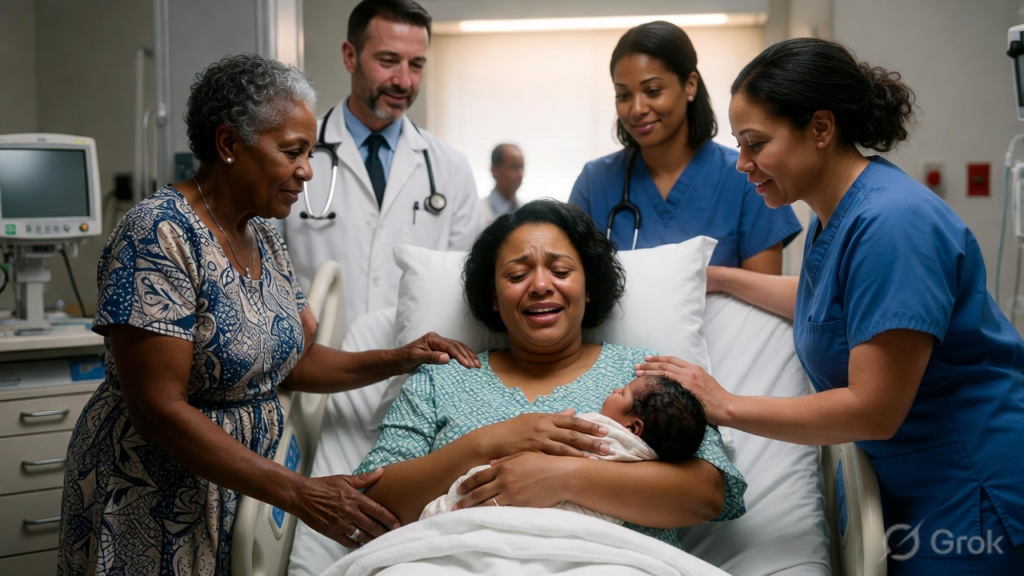
Zikora has given birth to a baby boy, then there is that cliched line that we have heard from every mother, how she was prepared for that moment, but still, when it happened, it all felt so different, a mix of emotions, nothing that could be worse. This moment is again a reminder of how childbirth is possibly one of the happiest moments in a mother’s life, and it still is one of the most painful and the most unbearable difficulties she would ever face. The first half of the book raises several strong reminders of gender inequality in our society, how it can be much worse in underdeveloped countries and patriarchal cultures but it does not mean that women in developed countries have it easy either. In the second half, the author talks about other common yet intense struggles women across the world deal with. Even in this moment, she still wants to talk with the baby’s father, hoping against hope that he would respond to her, and he doesn’t.
This also leads to another unexpected conversation between the mother and the daughter, where Zikora admits to her mother that she was already pregnant once in the past, during a relationship or an affair with a young man who couldn’t think about anybody else except himself and his pleasure. And a condom casually slipping off once in a while, a man inisisting that he won’t wear one or providing excuses for why it is not fun for him is not acceptable. And she was just nineteen. But why did she then do it, people would ask. Without giving any thought about the real world and the inequalities. Either way, the woman pays a price, no matter what life chocies she makes, the difficulties that come with her choices, that pain is not fun. That is a mistake that too many women make, sacrificing their self-respect, dignity, sense of self, and their own need for pleasure for men who don’t even care. How extremely difficult life would have been if not for that one woman who helped her abort her baby back then, when she was definitely not ready for motherhood in any sense of the word.
Another important subject is or are polygamy, where men can legally marry more than one woman if they choose to, and taditional property rights, according to which daughters cannot inherit a father’s property and only sons can, which happen to be normal in many African countries. What could a wife and young children then do when the law itself is against them? In the seocnd half of the book, Zikora learns to see how she herself had misunderstood or not even understood her own mother and why her mother was the way she was. “It was my father who destroyed, and it was my mother I blamed for the ruins left It was my father who destroyed, and it was my mother I blamed for the ruins left.” Again, how society, even a woman’s immediate family and loved ones easily blame the woman because it is in fact easier to blame a woman tha to think about bitter reality.
Interesting Quote: “Boys can so easily go wrong, girls don’t go wrong.”
Post-partum health issues are not pleasant. A newborn that screehes all the time is not pleasant. Breastfeeding a baby is not pleasant. Breastfeeding a baby who doesn’t cooperate is not pleasant. Sanitary pads for the mother are not pleasant. Being off painkillers is not pleasant. Infections and the fear of catching infections are not pleasant. The post-partum appetite change is not pleasant. And still, when a woman wants to have a child and willingly chooses to give birth, with complete consetn, as an informed adult who wants to be a mother, that little one becomes her personal treasure. Like how Zikora must have been for her mother.
Chimamanda does a really good job of raising awareness – self-awareness for women and the awareness about how much women sacrifice and what all women go through for readers of the opposite sex to understand. You realize when you read this book how much it is relevant in today’s world, in today’s political climate – why it is important for women to have abortion rights, and why men – who have not gone through one such event ever – should have no say when it comes to women’s bodily issues. Even though this is a short story, it is a strong reminder of the painful, patriarchal reality seen across cultures. Even for women who have become used to what life is like for women would still feel pain. For men, this book may come across as shocking. Even though this read comes with a lot of misery and pain, it is still worth a read. How much we all take our mothers for granted! I would give this a 4.5-star rating.