Title: How Not to Kill Your Houseplants
Author(s) Name(s): Trisha Bora
Published in: August, 2021
Why You Might Like This Book: Read this book if you enjoy
- self-help books for gardening,
- plant parenting,
- learning about houseplants,
- growing plants,
- picking up new indoor hobbies,
- having your own garden at home, or
- the science of growing plants.
Who Should Avoid This Book: Avoid this book if you are triggered by or dislike
Recommended for Children? Yes.
Trisha Bora’s How Not to Kill Your Houseplants is a refreshing, self-help guide written for the hobbyist individual who loves the aesthetic pleasures of greenery but does not have the botanical knowledge it takes to grow and maintain their own. This is not a horticultural encyclopedia or a lengthy botanical textbook. Instead, Bora’s approach is lighthearted and visual. She treats plant care as a manageable lifestyle habit, making it a perfect guide for the urban citizen who wants to add some houseplants to their a small apartment.
The book breaks down the three most important elements for plant survival: light, water, and soil. The author simplifies these concepts by categorizing common household environments, helping readers identify whether their living room is a “low-light cave” or a “bright-indirect-sunlight haven.” By teaching the reader how to read their own space before buying a plant, she helps beginners avoid the most common mistake: buying a high-maintenance plant to grow in a room that does not have the necessary infrastructure.
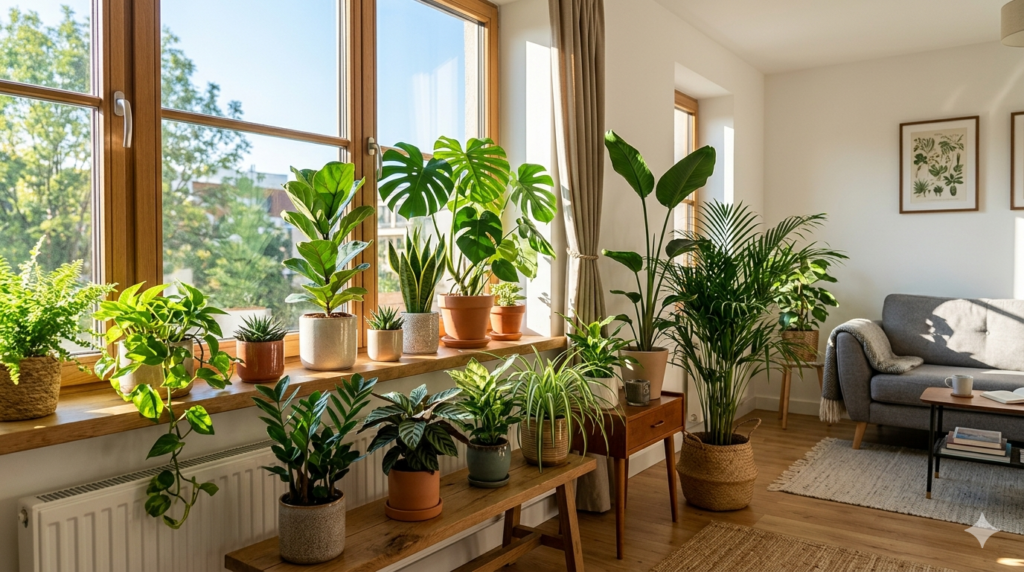
One of the most helpful sections of the book is the Plant Profiles, which helps the reader understand popular indoor greenery. From the almost indestructible Snake Plant to the picky Fiddle Leaf Fig, Bora provides a “cheat sheet” for each species. These profiles include quick-glance information related to watering frequency and light needs, which helps the plant parent understand why a plant might be drooping or developing those dreaded brown tips. The section is also organized in a way that allows you to identify and resolve specific issues without having to read the book cover-to-cover.
Apart from the technical basics, the author also throws in a fair amount of humour and encouragement for beginners, which make the book a user-friendly read. She acknowledges that everyone, including experts, has accidentally killed a plant at some point. This empathetic tone helps remove the guilt associated with losing a beloved plant, reframing “plant parenthood” as a learning process. The book also touches on the aesthetic side of things, with tips on how to style plants and choose pots that don’t just look good, but also provide the necessary drainage for root health.
If you are looking for detailed information on propagation techniques, complex organic fertilizing, or identifying rare pests, this book might is not the one. This book is all about survival and maintenance, which is exactly what the title promises. The goal of the book is not to make you a botanist; it only aims to teach you how to keep your plants from withering and dying. This means that experienced gardeners might not find the content very useful.
Ultimately, How Not to Kill Your Houseplants is a practical, easy-to-read and easy-to-understand handbook that bridges the gap between interior design and basic botany. It is visually engaging, and serves as a great confidence booster for anyone who wants to be a plant parent but is unsure of the dos and don’ts. If you want a green home without the stress of scientific research, this book serves as the perfect roadmap for building your own, small garden.